
In a previous blog post of this series, we presented a comprehensive overview of the milestones a child reaches between the ages of two and three. Now, we turn our attention to a specific aspect of this growth: physical development. We will also explore how we, as parents, can support and encourage this development.
The Importance of Physical Development in Children

As parents, our ultimate wish is for our children to grow up healthy and robust. A crucial component of a child’s growth is physical development. This encompasses the enhancement of gross motor skills (large muscle movement), fine motor skills (small muscle movement), and sensory development.
Physical development in a child is vital to their overall growth and well-being. It’s not merely about the ability to walk, run, or jump. It also includes the development of hand-eye coordination, balance, spatial awareness, and overall agility. By fostering a child’s physical development at an early age, parents can help them lay a solid foundation for future physical activities like sports or dance.
Overview of the Age Range (2-3 Years)
The age range between 2 and 3 years old is a thrilling time for both children and their parents. This is when children start exploring their surroundings more actively, becoming more curious about things around them. Their bodies are also growing rapidly during this period which makes it an ideal time for parents to support their physical development.
At this age range, most children have already learned how to walk on their own, some may even be running! They are now eager to explore the world around them by climbing on furniture or crawling into tight spaces. This newfound freedom can sometimes make it challenging for parents to keep up with them. However, it’s important that they allow their children the opportunity to experience new things while ensuring they remain safe.
By providing opportunities for play that emphasize gross motor skills as well as fine motor skills such we can ensure our children are growing up healthy and strong. In the following sections, we will dive deeper into the ways parents can facilitate physical development in children between 2 and 3 years old.
Gross Motor Skills: Get Your Toddler Moving!

Toddlers between the ages of 2 and 3 years are at a critical stage in their physical development. They are rapidly developing their gross motor skills, which involve large muscle movements such as crawling, walking, running, jumping, and climbing. As parents, it is important to facilitate these developmental milestones. We have to provide opportunities for your child to explore and practice these skills in a safe and supportive environment.
Encouraging crawling is an essential first step in developing gross motor skills. Crawling helps strengthen the muscles in the arms, legs, back, and neck while also improving coordination. Place toys just out of reach to encourage your toddler to crawl across the room to retrieve them. As they gain confidence, they can progress to more challenging obstacles such as cushions or low tunnels.
Walking is another important milestone in gross motor development that typically occurs around 12 months of age. Encourage your toddler to take those first steps by holding their hands or allowing them to hold onto furniture for support. Once they are comfortable walking independently, playing games that involve jumping and running can further improve their balance and coordination.
Outdoor activities like riding a tricycle provide an opportunity for your child to develop both gross motor skills as well as independence. Riding a tricycle requires coordination between pedaling with the legs and steering with the hands. This can be challenging but also rewarding once mastered. Additionally, outdoor activities provide a chance for toddlers to experience new environments. This, in turn, can help foster curiosity about the world around them.
By providing opportunities for your toddler to explore different physical activities you are helping them develop their gross motor skills. This will serve as a foundation for future physical activity throughout their lives. Remember that each child develops at their own pace. So be patient and let them progress at their own speed while offering encouragement along the way!
Fine Motor Skills
Providing opportunities for drawing and coloring
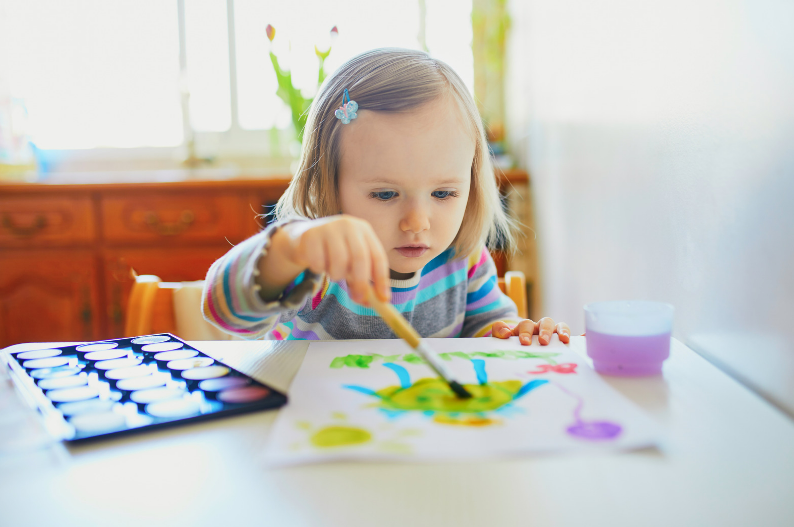
Drawing and coloring are excellent activities that can help your child develop their fine motor skills. It is best to use big crayons or markers at the beginning since they are easier to grip. Encourage your child to hold the crayon with their thumb, pointer finger, and middle finger, while tucking the other fingers under their hand.
This will help them develop a good pencil grip which will be important later on when they start writing. You can also make this activity more fun by having your child draw pictures of family members or objects around the house. Ask them about what they are drawing and encourage them to use different colors. Displaying their artwork on the refrigerator or in a special area of the house can also give your child a sense of pride in their work.
Playing with building blocks or puzzles
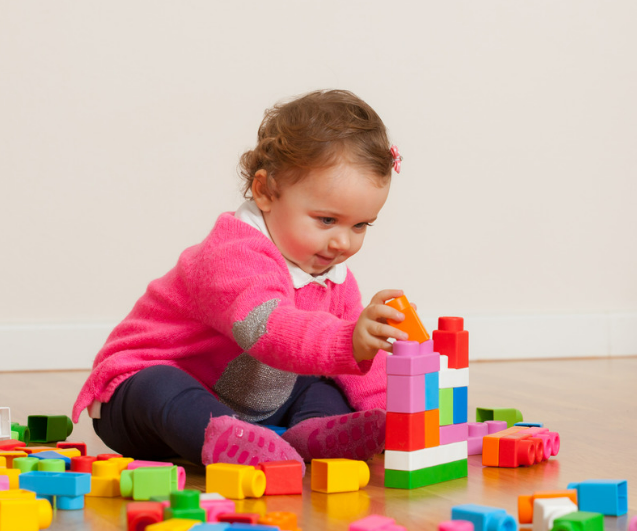
Playing with building blocks or puzzles is another great way to promote fine motor development in young children. Assembling building blocks requires coordination between hand-eye movements and dexterity of fingers. It also helps strengthen muscles in the hands and fingers.
Start by providing blocks of different shapes, sizes, and colors for your child to play with. At first, you may need to demonstrate how to build simple structures like towers or simple structures before letting them try it out themselves. With time as they improve their skills, encourage them to explore different designs that would require more critical thinking like making houses or animals. Puzzles also provide excellent opportunities for children between 2-3 years old to further refine their fine motor skills while stimulating cognitive development at the same time.
Using utensils during mealtime
Eating with utensils may seem like an ordinary activity but it is excellent for developing fine motor skills too! At this stage, children may still prefer using their hands while eating, but it is important to encourage them to use utensils from a young age.
Start with simple spoons and forks and eventually move to more advanced utensils like knives when they are ready. Encourage your child to hold the utensil correctly by gripping it with their thumb, pointer finger, and middle finger. Tucking the other fingers under the hand will help them gain better control over the utensil. Make sure you use utensils that are the right size for your child’s hands.
You can also make mealtime fun by asking your child to help set up the table or pretending they are serving food in a restaurant. The key takeaway is that providing opportunities for children between 2-3 years old to develop their fine motor skills will help them gain better control over their movements while refining their cognitive abilities which would be useful throughout their life.
Sensory development
Exploring different textures through playdough or finger painting
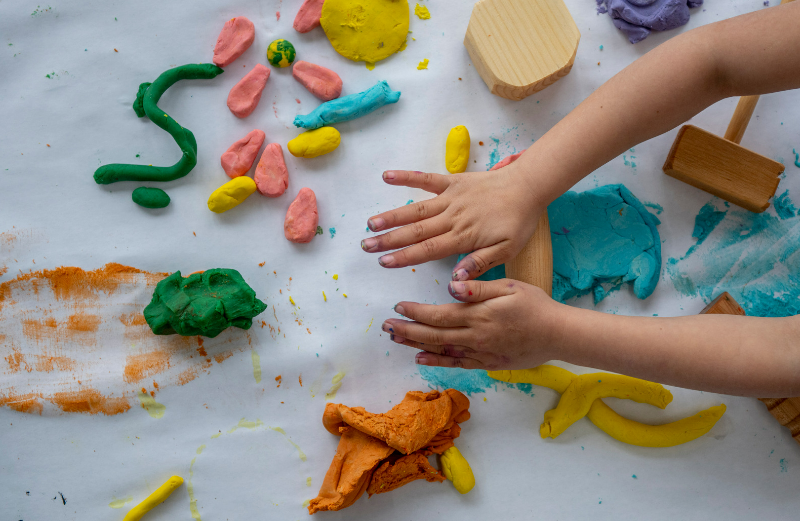
As children reach the age of 2, their curiosity about the world around them increases. One way to promote sensory development is through playdough or finger painting. These activities allow children to explore different textures and sensations using their fingers.
They can shape the dough into different objects or create unique paintings with a variety of colors. When introducing these activities, it is important to provide a safe environment for your child to play in. Cover the area with old newspapers or use an outdoor area where messes can be easily cleaned up. Encourage your child to experiment with different shapes and textures, and allow them to express themselves freely.
Incorporating sensory bins filled with rice or beans
Incorporating sensory bins filled with rice or beans can be a great way to stimulate your child’s senses and encourage fine motor skills. These bins can be filled with a variety of items. Your child can explore them using their hands or tools like spoons and cups. This activity not only promotes physical development but also sparks curiosity and creativity.
Engaging in water play
Water play is a fantastic way to stimulate sensory development while offering fun outdoor activities. Setting up a water table or filling a kiddie pool allows your child to splash and play on warm summer days. This activity not only promotes physical development but also encourages cognitive growth as children problem-solve while pouring water from one container to another. Encourage your child’s creativity by providing cups, spoons, and other utensils for them to experiment with in the water. You can even add food coloring for an added sensory experience. Always supervise your child during water play and provide appropriate safety gear, such as sunscreen and water shoes.
Language development through physical activity
Singing songs while dancing or playing games like Simon Says
When it comes to language development, singing and playing games are excellent ways to engage your child in physical activity while also helping them develop their vocabulary. Singing songs while dancing is a simple way to incorporate movement into your child’s day. You can simply put on some music and dance around the living room together! Games like Simon Says are another way to incorporate physical activity into language development. This classic game involves giving commands such as “Simon says touch your toes” or “Simon says clap your hands.” This game not only encourages physical movement but also helps develop listening skills, attention span, and vocabulary.
Encouraging conversation during outdoor activities like taking a walk
Taking a walk with your child is an excellent way to get them moving while also giving you an opportunity to bond with them. But did you know that taking a walk can also help with their language development?
Encourage conversation during your walks by pointing out interesting things along the way, such as birds or flowers. Ask open-ended questions such as “What do you think about that?” or “What do you see over there?” Listening to their responses and engaging with them will help build their vocabulary and communication skills.
Other outdoor activities that encourage conversation include playing catch or kicking a ball around at the park. These types of activities provide opportunities for children to develop social skills, take turns, and learn how communication works in different situations.
Incorporating language development into physical activity can be beneficial for both parents and children alike. By singing songs, playing games like Simon Says, and encouraging conversation during outdoor activities, parents can help their children develop their vocabulary, communication skills, and social skills while also having fun.
Safety First: Precautions to Consider
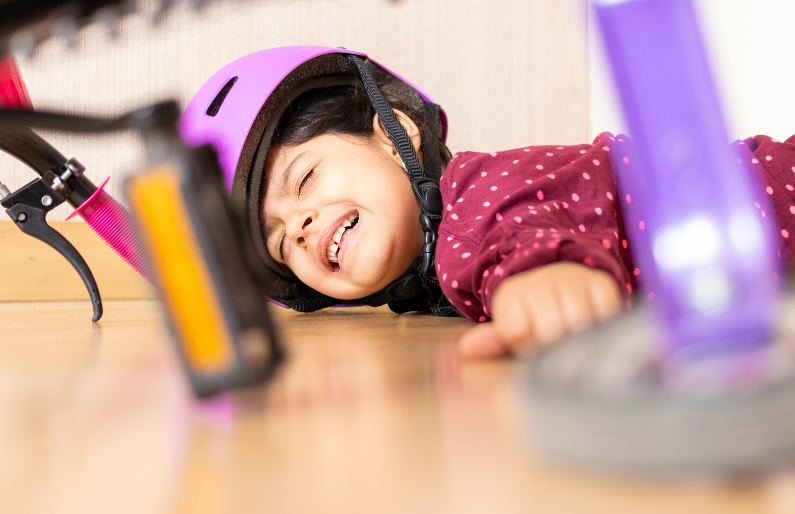
Physical activity is an important part of a child’s development, but it’s equally important to ensure their safety. Children between the ages of 2 and 3 are still learning about their surroundings and can be prone to accidents. Here are some safety precautions that parents can take to ensure their child is safe while engaging in physical activities.
Ensuring Proper Supervision During Physical Activity
Young children have a tendency to wander off or get into things they shouldn’t, which is why it’s essential for parents to stay close and supervise them during physical activity. For example, if your child is playing on a jungle gym, be sure to stand nearby and keep an eye on them at all times.
It’s also important for parents to set boundaries with their children when it comes to physical activities. For instance, if you’re taking your child for a walk in the park, make sure they understand that they need to stay within sight or hold your hand while walking near busy streets.
Childproofing the Home to Prevent Accidents
Most accidents happen at home, which is why it’s critical for parents to childproof their home before allowing their little ones free reign. This means covering electrical outlets with covers, securing cabinets with child locks, and putting up gates or barriers in areas of the house that may be hazardous.
Parents should also consider investing in age-appropriate toys that don’t have small parts that could potentially be swallowed or cause choking hazards. Be sure all furniture is stable and won’t tip over onto your child during playtime as well.
Conclusion on safety
Physical activity plays an essential role in a child’s growth and development; however, ensuring their safety while doing so should always be a parent’s top priority. By supervising your children closely during physical activities both inside and outside of the home and childproofing your living space, you’ll help reduce the risk of accidents and keep your little ones safe. Remember, it only takes a second for an accident to happen, so always make safety a top priority.
Conclusion
Facilitating physical development in children between 2 and 3 years old is crucial for their overall growth and well-being. Children at this age are developing rapidly, and physical activity plays a vital role in their development.
It helps build strong muscles, promotes coordination, enhances sensory integration, improves cognitive skills, and boosts self-confidence. Parents can encourage physical development by providing children with opportunities to explore their environment safely.
They can create an environment that stimulates the child’s senses and provides ample opportunities for gross motor skill development through outdoor activities like riding a tricycle or playing games that involve running, jumping or climbing. Fine motor skill development can also be promoted by providing children with opportunities for coloring, drawing, puzzles or block building.
Sensory play activities like finger painting or water play can help enhance sensory integration. Language development can also be promoted through physical activity by singing songs while dancing or playing games like Simon Says.
Parents who facilitate physical development in children between 2-3 years old provide their kids with a healthy foundation for future growth and well-being. Children at this age have boundless energy and curiosity about the world around them; parents who encourage them to explore safely promote not only good health but also creativity and learning!
References
- Virtual Lab School’s website provides information on physical developmental milestones for infants and toddlers, including changes, growth, and skill development of the body. It also offers ways to support development for all infants and toddlers and describes the brain’s role in infant and toddler physical development. 1
- CDC’s website provides information on developmental milestones for toddlers (2-3 years old), including skills such as taking turns, playing make-believe, and kicking a ball. It also offers warning signs of possible developmental delays and information on how to help your child’s development. 2
- Skoolzy’s blog post discusses the important factors that influence child development, including genetics, physical and social environment, nutrition, and early childhood education. 3
- C&G Baby Club’s website offers a comprehensive list of physical development milestones for children between 2 and 3 years old, including running, hopping, and jumping. It also provides tips on how to encourage your child’s physical development through play and activities. 4
- Banner Health’s website provides updates to your child’s developmental milestones from birth to 5 years old. It covers social and emotional, speech and language, cognitive, and physical development milestones. 5
- HealthyWA’s website provides information on how to help your 2 to 3 year old develop their physical skills, including learning to climb up and down stairs, kick a ball, and jump off a step. It also offers tips on how to encourage your child’s language development and exploration of the world while keeping an eye on safety. 6


